Are you still building links in one market? You’re limiting your growth. International link building helps you reach new audiences, reduce competition, and build authority across regions.
In international link building, links from country-specific websites carry more weight, as they help search engines understand where your content is most relevant.
In this guide, you’ll learn what international link building is, why it matters, the challenges involved, and exactly how to build links in global markets.
What Is International Link Building?
International link building is the process of acquiring backlinks from other countries to improve search visibility in those regions.
For example, if you run a SaaS product that wants to grow in the German market, international link building means earning backlinks from German-language publications, industry directories, and authoritative blogs that German users trust and read.
A link from a German publication doesn’t just pass authority; it sends a geographic relevance signal to Google that your content belongs in German search results.
This is a fundamentally different exercise from domestic link building. The fundamentals are the same: relevance, authority, and editorial quality still matter. But the execution looks entirely different once you factor in language, culture, TLDs, and local SEO ecosystems.
How to Do International Link Building
International link building is about getting links from trusted websites in other countries to grow your global reach.
If you want to start international link building, follow this simple framework:
- Choose target countries based on demand and business goals
- Localize keywords and content for each region
- Analyze competitor backlinks by country
- Build a list of local websites and publishers
- Create region-specific, link-worthy content
- Reach out in the native language
- Earn links through guest posts, PR, and partnerships
- Track rankings and optimize by market
This is the fastest way to go from zero visibility to global rankings.
How Does International Link Building Differ from National?
Most link builders are comfortable operating in English-speaking markets. Once you go international, five things change meaningfully:
| Aspect | National Link Building | International Link Building |
| SEO Goals | Dominate local SERPs | Build presence in new markets with no visibility or authority |
| Target Audience | One audience with shared context | Multiple audiences with distinct behaviors, preferences, and trust signals |
| Language | Content in one language | Native-language content is essential; no auto-translations |
| Link Sources | Existing network of contacts and publishers | Starting from scratch with a new, unfamiliar publisher ecosystem |
| Complexity | One manageable campaign | Multiple campaigns across languages and countries, requiring localized outreach and strategy |
What’s Changed in International Link Building (2026)
International link building is about building global authority signals that strengthen brand presence across multiple markets.
AI-Powered Outreach Is Now Standard
For international SEO backlinks, modern SEO teams rely on AI to personalize outreach at scale, translate messaging with accuracy, and identify high-probability link prospects. This makes international campaigns more scalable and more efficient.
Digital PR Has Gone Global
67.3% of marketers now use Digital PR as their primary link-building method (Demand Sage, 2026), and the engine behind most successful campaigns is original, proprietary data.
Brands are increasingly running multi-country PR campaigns instead of focusing on a single region. This involves local media outreach, region-specific storytelling, and campaigns designed to earn links across diverse markets. The result is high-authority backlinks from global publications.
Entity-Based SEO as a Ranking Factor
Google now evaluates brands as entities rather than just keywords. Mentions across trusted websites, links from regionally relevant sources, and consistent niche presence all contribute to building authority. International link building strengthens entity trust in each market.
Topical Authority Over Random Link Building
Successful brands no longer chase random backlinks. Instead, they focus on one niche per region, build content clusters, and earn links consistently within that topic. This approach improves rankings, builds trust, and supports long-term SEO performance.
Why Do Companies Invest in International Link Building?
There are several compelling reasons why growing SaaS businesses and established brands expand their link-building efforts globally.
1. Less Competition, More Opportunity
In places like the US, SEO is tough. Big websites with strong reputations dominate, and competition is intense. But in many other countries, the online space isn’t as crowded. That makes it easier and cheaper for new websites to grow in the search results.
In fact, SaaS companies have achieved page-one rankings in mid-European markets with a fraction of the effort needed in the US, making international expansion not just possible but often the smarter growth move.
2. Traffic Diversification
Concentrating all your SEO efforts on one market creates a single point of failure. An algorithm update, a major competitor entering the space, or a shift in search behavior can wipe out a significant portion of your traffic overnight.
International link building spreads that risk across geographies. If your US traffic takes a hit, organic traffic from Germany, Australia, or Brazil continues to perform.
For SaaS businesses in particular, this kind of resilience matters a great deal when revenue depends on organic link acquisition.
3. Brand Authority at Scale
When users in France, Japan, or Brazil start encountering your brand in publications they trust locally, it becomes more than just search rankings. It builds genuine brand recognition in markets you’re actively trying to enter or grow.
For example, Jeenam achieved 198.3% traffic growth, built 77 high-DR backlinks, and increased a client’s domain rating to 60+ within 12 months.
| Metric | Result |
| Traffic Growth | 198.3% |
| High-DR Backlinks Built | 77 |
| Domain Rating Achieved | 60+ |
While this example is market-specific, the same principles apply internationally; success depends on adapting to local languages, cultural nuances, and outreach styles.
4. Understanding What Markets Actually Want
Content that earns links in Germany may not work in Brazil or Japan. International campaigns show you, market by market, which topics attract interest and what problems local audiences want solved.
That intelligence feeds back into your product messaging, your localized content strategy, and your international expansion roadmap. Links are the output; market intelligence is a valuable secondary benefit.
International Link Building Challenges
International link building is genuinely harder than domestic link building, not just logistically, but strategically. Here are the challenges you should expect going in.
Finding Suitable Domains Is Harder Than It Looks
In big English markets, there are countless websites to target for links. Smaller markets don’t have that luxury. For niches like B2B SaaS in Hungarian or Norwegian, only a handful of strong sites exist.
Everyone fights for the same few spots. You need creativity and the ability to explore related topics that still connect to your business.
Buying Links Is Often the Norm, and the Risk
In many regions, especially parts of Europe, Asia, and Latin America, buying links is common practice. While this may seem easier, it’s risky as Google can penalize undisclosed paid links.
The safer path is to earn editorial links whenever possible, use sponsored content transparently, and focus on quality over sheer numbers.
TLD Choice Has Real Consequences
Using a .com domain is flexible; it can rank globally with localized pages. Country-specific domains like .de or .fr help in local markets but add complexity. Links to your .de site won’t boost your .com, and managing multiple domains multiplies effort.
For most SaaS companies, the smart move is to stick with .com, use hreflang tags, and build links to localized subdirectories.
Localization Is Not Just Translation
Simply translating English content won’t work. A blog post written for Americans won’t resonate with Spanish or Japanese readers if it’s just machine-translated. True localization means writing content in the local language, with cultural references, tone, and keywords that people search for.
Native writers are essential; this is the difference between content that earns links and content that gets ignored.
Language and Cultural Differences in Outreach
Outreach methods vary widely across countries. In Germany, communication must be formal and precise, but in southern Europe, relationships matter more than direct requests.
In Asia, email often isn’t the main channel; apps like WeChat (China) or Line (Japan, Taiwan, Thailand) are used instead. These cultural differences are critical. If you don’t adapt, your outreach will fail no matter how good your content is.
SEO Literacy Varies Across Markets
In markets like the US and UK, SEO concepts such as domain authority and dofollow links are widely understood and actively used. In other regions, the level of awareness and approach to SEO can vary.
For example, people running websites in Eastern Europe are highly SEO-savvy, while in countries like Germany, SEO knowledge is strong, but link-building practices tend to be more conservative and compliance-focused.
Which Strategies Help Spot International Backlink Opportunities?
The research process mirrors domestic link building in its logic, but the execution requires market-specific adjustments.
Analyze Competitors’ Backlink Profiles
A smart way to start international link building is by checking where your competitors get links. Tools like Ahrefs let you see country-specific backlinks.
If you notice many USA sites linking to a competitor, that’s proof that USA publishers in your niche are open to linking. Study the pages earning those links, are they guides, data studies, or tools?
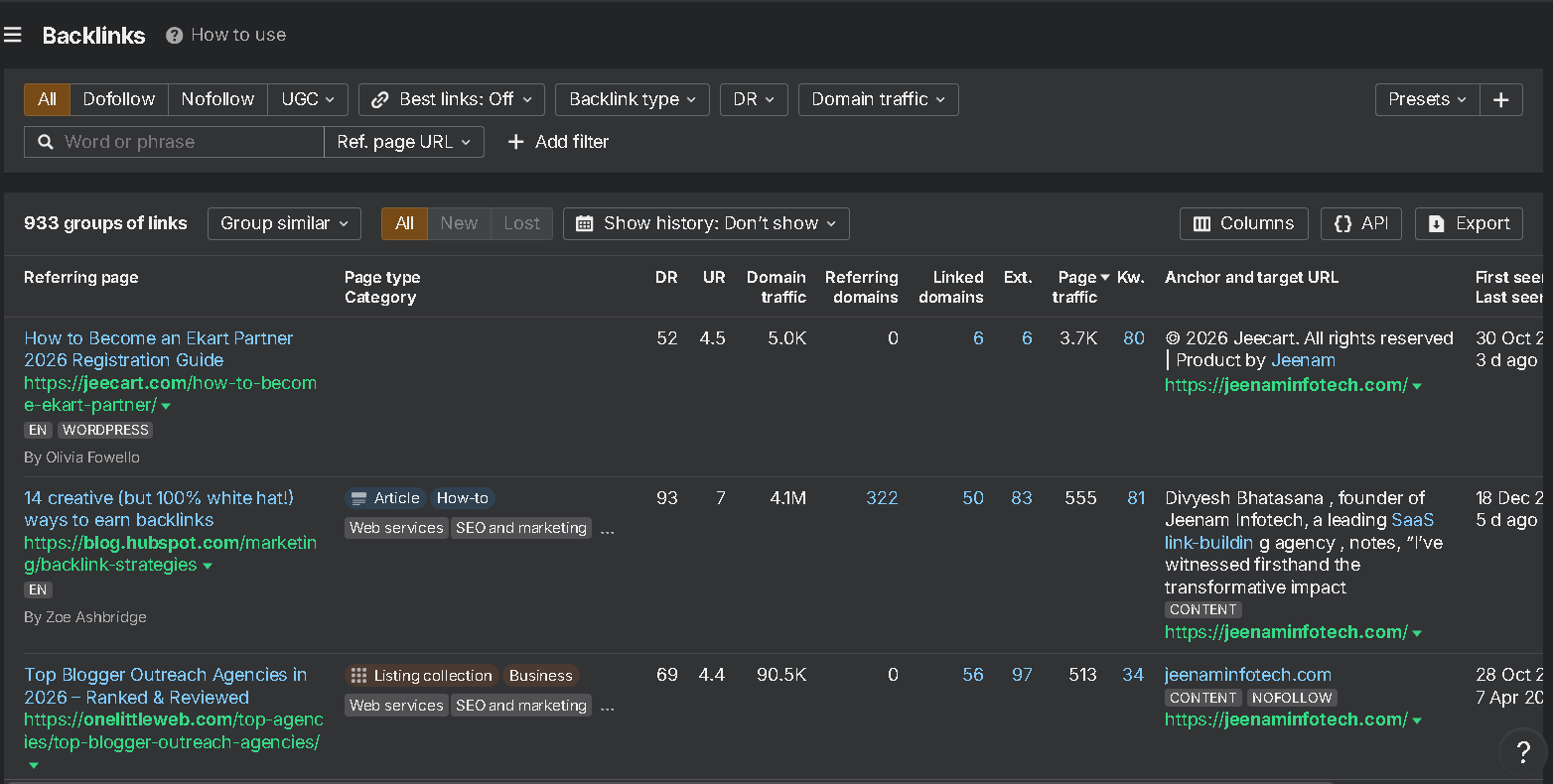
This shows what content works in that market. Then, create something better or build relationships with those publishers to earn similar links.
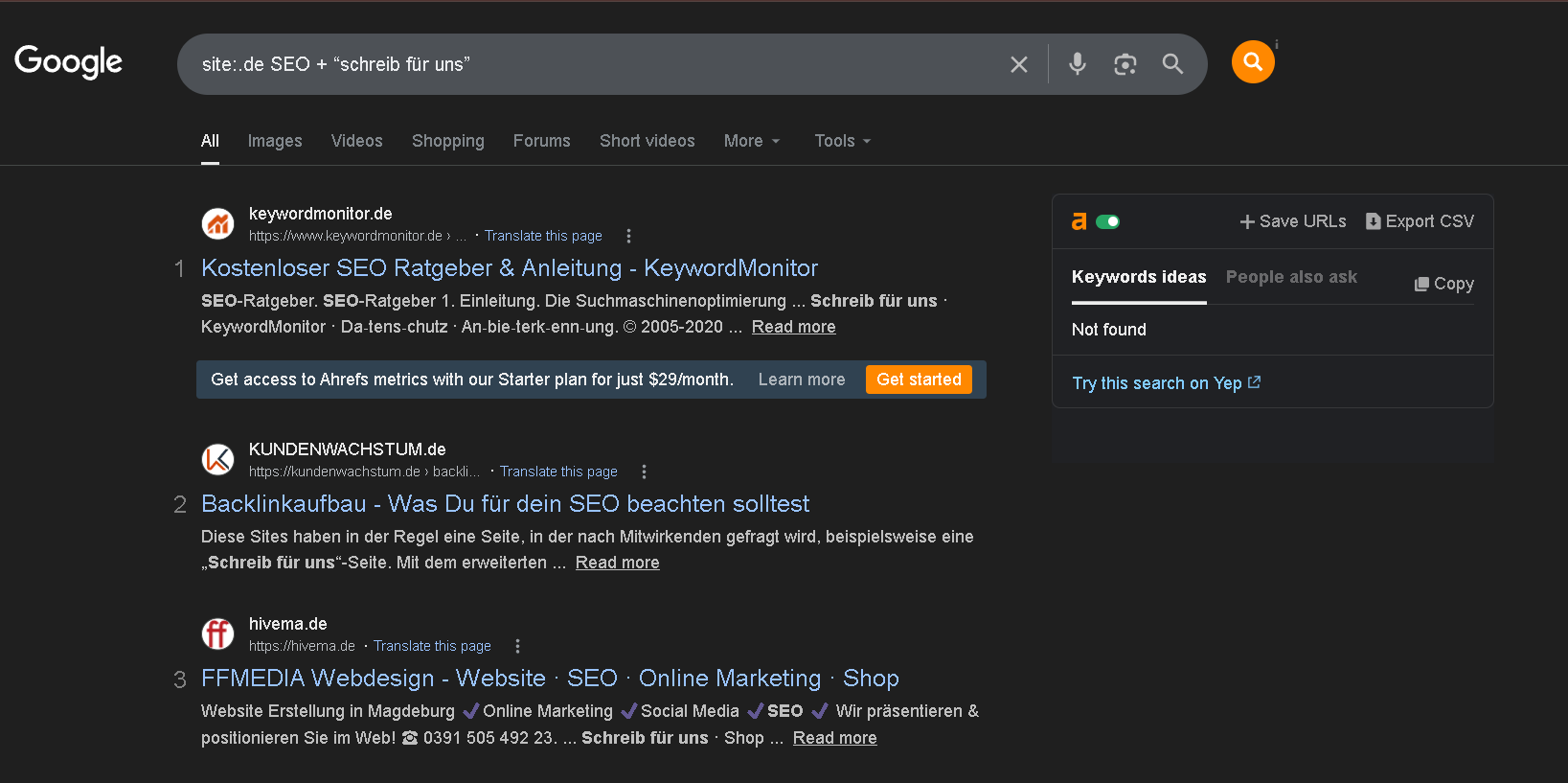
Guest posting searches like “[topic] + write for us” work globally, but you need to adapt them. Restrict searches to the target country’s domain (like .de for Germany) and use the local language.
For example, searching site:.de SEO + “schreib für uns” finds German guest post opportunities. The trick is knowing the right local phrase for “write for us” or “submit a post.” Literal translations don’t always work, so native-language support is essential for uncovering real opportunities.
Build From Local Directories First
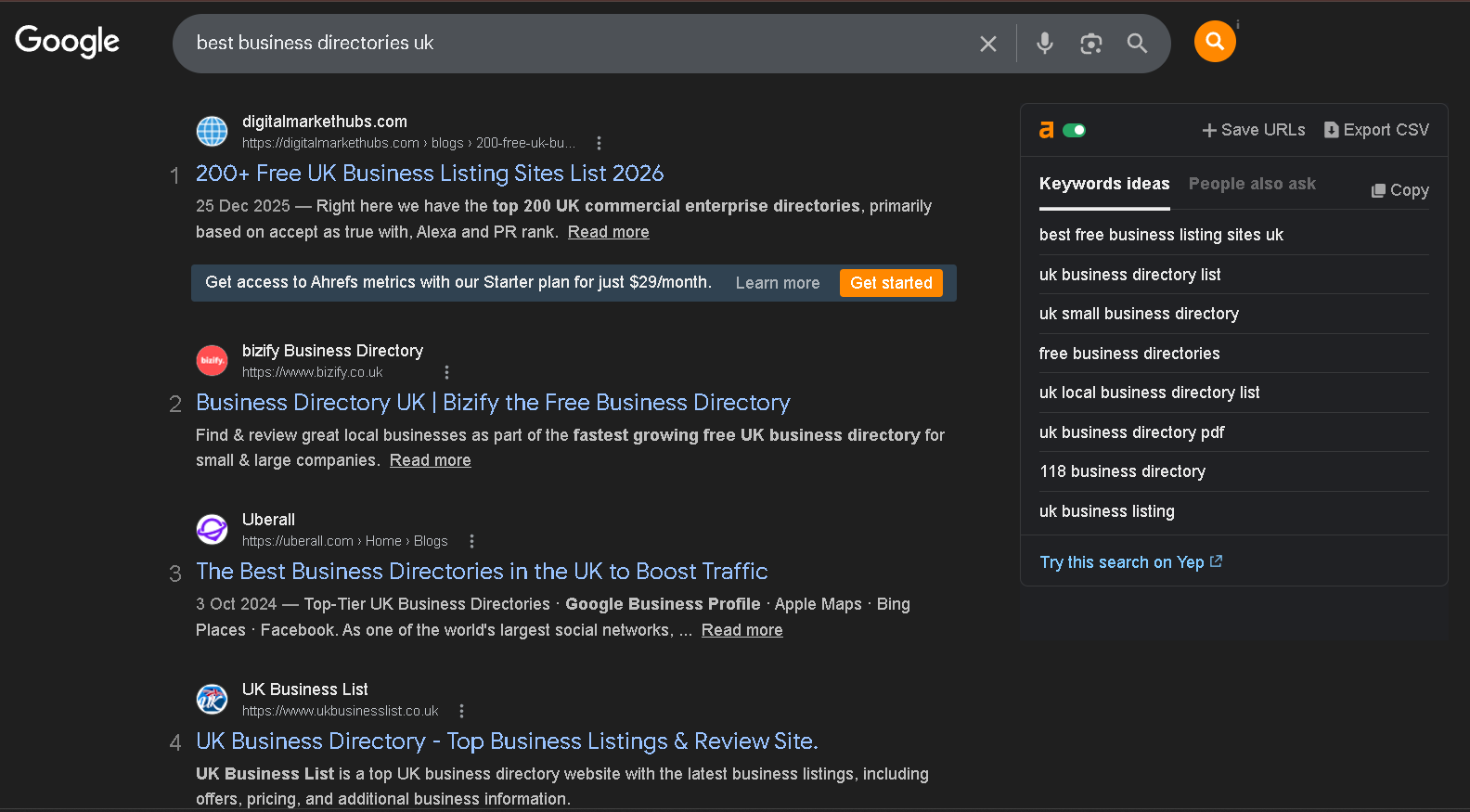
Directories and business listings are a simple way to start building links in new markets. They may not be the strongest links, but they give you visibility and credibility. Search for “best business directories [country]” or “[industry] directory [country]” to find them.
Global platforms like Yelp or Yellow Pages often have local versions too. For SaaS companies, regional software review sites and tech directories are especially useful since they bring more relevant traffic than generic listings.
Monitor Unlinked Brand Mentions
Sometimes websites already mention your brand but don’t link to you. That’s a missed opportunity. Use tools like Ahrefs Content Explorer or media monitoring platforms to search for your brand name across languages and countries.
If you find mentions without links, reach out politely and ask them to make the mention clickable. Since they already know your brand, this is a low-effort way to earn links. It’s one of the easiest strategies to strengthen your presence in new markets.
The conversion rate for these is genuinely higher than for cold outreach because you’re not introducing yourself. You’re following up on existing awareness.
Advanced International Link Building Strategies
Research tells you where the opportunities are. A global link-building strategy determines how you capture them.
Partner With People Who Already Have the Network
The fastest way to succeed in international link building is to work with local experts who already know the market. Agencies and consultants bring established relationships with publishers, cultural knowledge, and proven outreach methods.
For example, Jeenam applies a network-first approach for SaaS clients, using trusted partners to secure high-quality placements quickly and effectively.
When One Market Is Too Thin, Find Its Neighbor
Some countries don’t have strong enough websites to support a full link-building campaign. In these cases, look to nearby markets that share language or culture. For example, Austria and Switzerland use German, so links from German publishers still help rankings in Austria.
Similarly, Latin American countries often overlap; links from Mexico can benefit brands in Colombia or Argentina. By tapping into neighboring markets, you expand your reach without losing relevance.
Use Sponsored Content Transparently
In many countries, big publications offer sponsored articles with embedded links. These are clearly marked as ads, ensuring compliance with Google’s rules.
Getting featured in big media outlets like Der Spiegel or Le Monde is pricey, but it can give SaaS companies strong visibility and SEO authority with enterprise clients.
The key is to treat this as a brand investment, not a hidden link purchase. Content must be valuable, transparent, and tailored to the audience to deliver both credibility and SEO benefits.
Build Relationships Before You Need Them
Strong link building depends on relationships, especially abroad, where you don’t have a natural network. Start by engaging with local publishers by sharing their work, commenting on their content, and connecting on their platforms.
Attending industry events also helps. Though slower than mass outreach, this approach builds trust. One solid relationship with a German publisher can deliver more long-term value than hundreds of ignored emails.
Create Social Presence in the Language of the Market
Social media links don’t directly boost rankings, but they spread your content and build recognition. Having a localized social presence makes outreach easier; publishers are more likely to respond if they’ve already seen your content shared in their language.
Jeenam’s Approach to International Link Building
International link building is no longer optional for brands aiming to grow beyond a single market. It’s a strategic investment that helps you build authority, diversify traffic, and establish trust across regions.
While the process comes with challenges like language barriers, cultural differences, and limited local opportunities, the upside is significant. Businesses that approach it with the right strategy, localized content, and consistent outreach can unlock growth that simply isn’t possible in saturated markets.
At the core of successful international link building is quality over quantity. Earning links from trusted, relevant publications not only improves rankings but also drives meaningful referral traffic and long-term brand credibility.
In global SEO, the brands that win are not the ones building the most links, but the ones building the right links in the right markets.
FAQs About International Link Building
1. How do I find link-building opportunities in other countries?
Start with a competitive backlink analysis filtered by geography, use market-specific search operators to find guest-posting opportunities, build from local directories and citations, and monitor unlinked brand mentions in your target language. Working with a local expert or agency significantly accelerates this process.
2. Is buying links a normal practice internationally?
In some regions, especially parts of Europe and Latin America, paid link placements are common. But hidden paid links break Google’s rules and carry risks. A safer strategy is to earn editorial links and clearly disclose sponsored ones.
3. How long does it take for international link building to show results?
The same timeline principles apply as in domestic link building, typically 3 to 6 months before meaningful ranking movement in the target market. Building a sustainable international link profile takes longer because you’re establishing credibility in a new market from the ground up.
4. How do I decide which countries to build links in first?
Check Google Search Console for countries already sending you organic traffic; those are easiest to grow. Then look at keyword search volume and competition in each market, your product’s fit in that market, and available link opportunities in that language.
5. What types of links work best for international SEO?
The most effective are local news and media coverage, guest posts on high-DA local blogs, local business directories and industry associations, links from local universities or government sites (.ac.uk, .gov.au), and mentions in country-specific resource pages.
6. What tools should I use for international link building?
Ahrefs and SEMrush for competitor backlink analysis, BuzzSumo for finding local content opportunities, Hunter.io for finding contact emails, Pitchbox or Respona for outreach at scale, and Google Search Console to monitor which international pages are gaining authority.
7. How do I do outreach in a language I don’t speak?
Hire a native-speaking link builder or outreach specialist for that market. Translated outreach emails perform far better than English ones in non-English markets. You can also use local SEO agencies or freelancers who have existing publisher relationships.